Signs You Have a Wasp, Hornet, or Yellow Jacket Problem
If you notice signs you have a wasp, hornet, or yellow jacket problem, local contractors can safely identify and treat nests to eliminate the threat.
If you’ve noticed sudden activity around your property or spot nests tucked away in eaves, shrubs, or other hidden spots, it could be a sign you have a wasp, hornet, or yellow jacket problem. These insects are more than just a nuisance; their stings can cause discomfort or allergic reactions, making it important to identify and address the issue early. Property owners in the area often explore this topic to protect family, pets, and visitors from unexpected stings, especially during outdoor activities or gatherings. Recognizing these signs can help determine when professional treatment services are needed to safely remove nests and prevent future infestations.
Understanding the common indicators of a wasp, hornet, or yellow jacket presence is key to maintaining a safe and comfortable outdoor environment. If you observe increased buzzing near your home, persistent sightings of these insects, or nests that seem to grow in size, it’s a clear sign that expert assistance may be necessary. Local service providers who specialize in wasp, hornet, and yellow jacket treatment can evaluate the situation and provide effective removal solutions. Keeping an eye out for these signs ensures property owners can address the problem promptly, reducing risks and creating a safer space for everyone.
- Wasp, Hornet, or Yellow Jacket Treatment - is needed when signs like buzzing sounds near eaves or nests indicate an active infestation, and local contractors can safely remove the colonies.
- Wasp, Hornet, or Yellow Jacket Treatment - may be required if you notice stinging insects around outdoor living spaces, prompting local pros to perform targeted nest removal.
- Wasp, Hornet, or Yellow Jacket Treatment - is necessary when nests are found on or near the structure, and local service providers can eliminate the threat effectively.
- Wasp, Hornet, or Yellow Jacket Treatment - becomes important if you observe increased insect activity during warm months, and local contractors can assess and treat the problem.
- Wasp, Hornet, or Yellow Jacket Treatment - is recommended when there are signs of ground nests or insect swarms, with local pros equipped to handle removal safely.
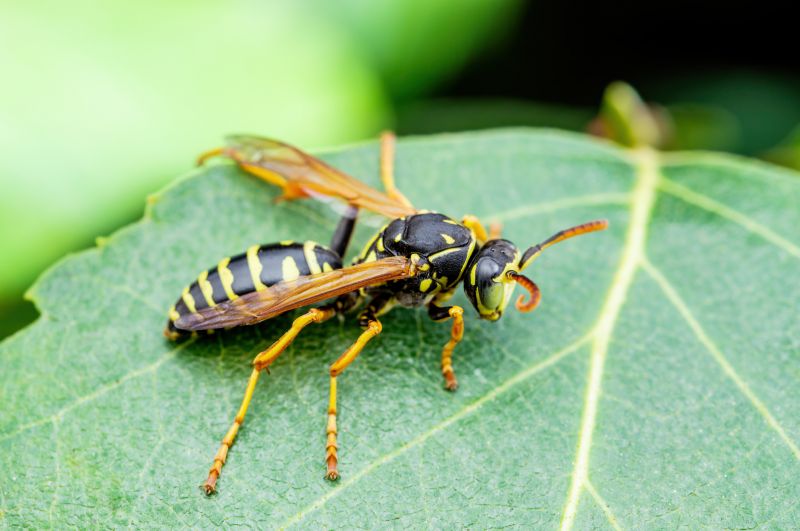
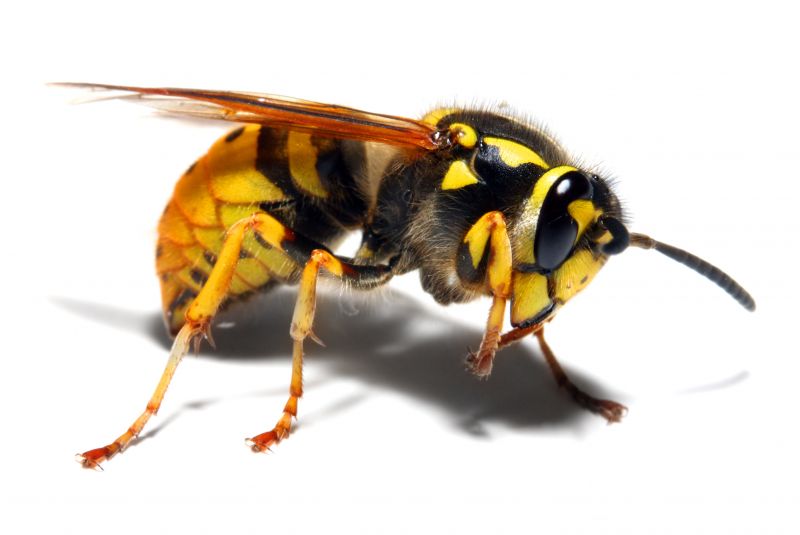
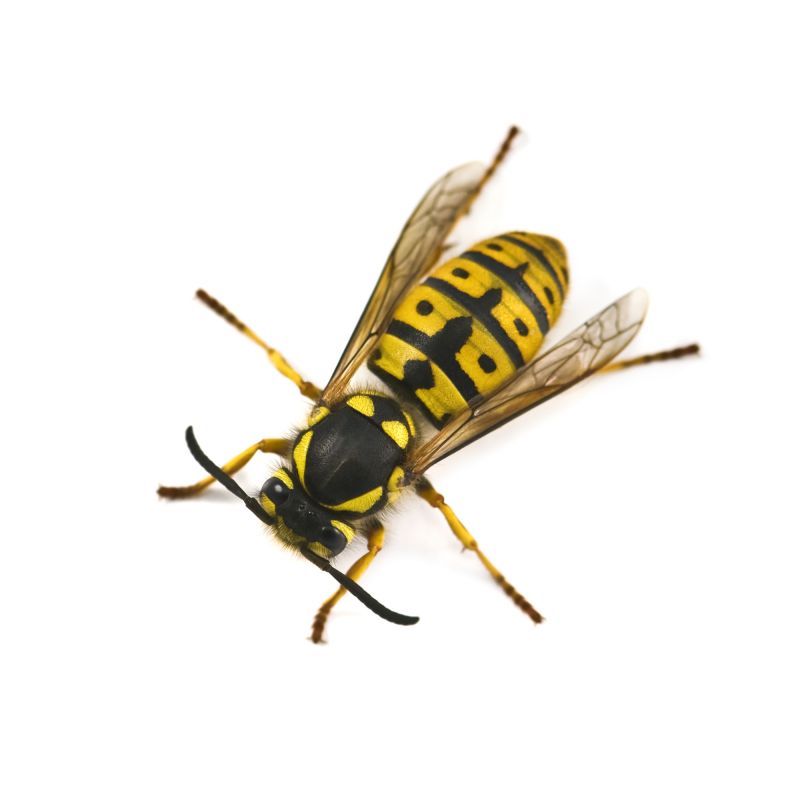
When searching for signs you have a wasp, hornet, or yellow jacket problem, many homeowners are looking for clues that suggest an active insect nest nearby. These signs often include visible insects buzzing around certain areas, especially during late spring through early fall. People might notice wasps or hornets gathering on eaves, porch ceilings, or around outdoor lights, which can indicate a nearby colony. Recognizing these visual cues is essential because it helps determine whether the insects are just passing through or if a nest has become established on the property.
This issue is closely related to concerns about safety, property damage, and the potential for painful stings. A common worry is that a nest located close to frequently used outdoor spaces could pose a threat to family members, pets, or visitors. Homeowners searching for this information may also be planning to eliminate the insects or prevent future problems. Local service providers who specialize in wasp, hornet, and yellow jacket treatments can assess the situation, confirm the presence of a nest, and safely remove it. Addressing these signs early can prevent larger colonies from developing and reduce the risk of stings or property damage.
Properties that often come up in discussions about wasp, hornet, or yellow jacket problems include residential homes, especially those with eaves, soffits, or decks that provide ideal nesting spots. Commercial properties such as restaurants, cafes, or outdoor event spaces are also common locations where nests can pose safety concerns. Additionally, structures like sheds, garages, or abandoned equipment may become attractive nesting sites. Recognizing the types of properties prone to these issues helps homeowners understand where nests are likely to form and when to seek local treatment services.
Understanding the signs of a wasp, hornet, or yellow jacket problem is a practical step toward managing potential infestations. Homeowners should be aware that active nests might appear as papery or mud-like structures attached to buildings or trees. The presence of frequent insect activity around specific areas, especially during warmer months, can signal an ongoing problem. Connecting with experienced local contractors who handle wasp, hornet, and yellow jacket removal can ensure that the issue is addressed safely and effectively. Proper treatment not only removes the immediate threat but also helps prevent future nesting in the same locations.
Pest identification and inspection services - these projects involve identifying various pest problems, similar to recognizing signs of wasp, hornet, or yellow jacket activity around a property.
Wildlife removal services - professionals handle the removal of stinging insects and other wildlife, requiring planning and tools comparable to those used in wasp, hornet, or yellow jacket treatments.
Outdoor nest removal projects - removing nests from eaves, trees, or structures involves similar safety precautions and planning as treating wasp or hornet nests.
Insect exclusion and sealing services - these projects focus on preventing pests from entering buildings, which complements efforts to manage wasp, hornet, or yellow jacket issues.
Yard and landscape pest control - applying targeted treatments to control pests in outdoor spaces shares techniques with managing wasp, hornet, or yellow jacket populations.
Home maintenance and repair projects - sealing gaps and cracks to prevent pest entry involves planning and tools akin to those used in pest treatment services for stinging insects.
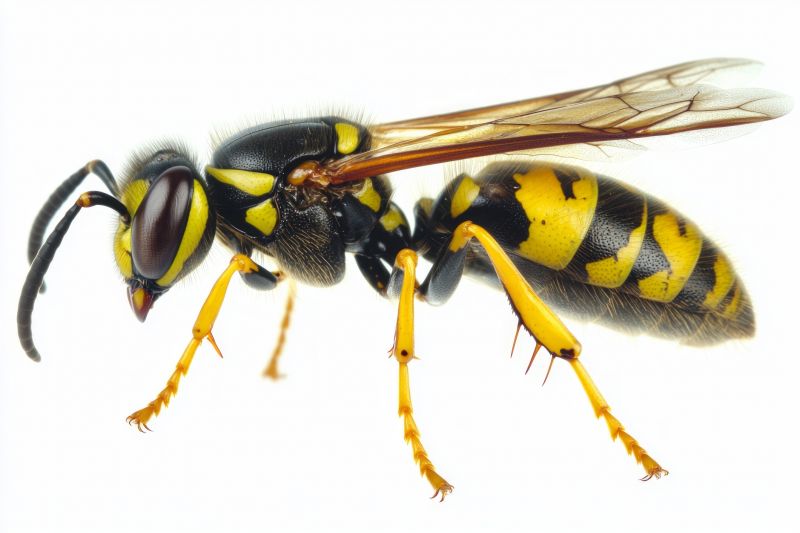
When evaluating service providers for wasp, hornet, or yellow jacket treatment, it’s important to consider their experience with similar projects. Homeowners should look for local contractors who have a proven track record in handling pest issues involving these insects, especially in residential settings. An experienced professional will understand the behaviors and nesting habits of different species, which can influence the effectiveness of treatment methods. Asking about past projects or seeking references can help determine whether a contractor has successfully managed cases similar to the current situation, providing confidence that they are equipped to handle the problem efficiently.
Clear written expectations are essential when choosing a service provider for wasp, hornet, or yellow jacket removal. Homeowners should seek detailed descriptions of the services offered, including what the treatment process entails, any precautions to be taken, and what results to expect. Transparent communication about the scope of work helps prevent misunderstandings and ensures that both parties are aligned on the goals. Reputable local contractors will typically provide written estimates or service agreements that outline these expectations, giving homeowners a clear understanding of what will be done and when.
Good communication and reputable references are key factors in selecting a reliable service provider. Homeowners should look for local pros who are responsive and willing to answer questions about their experience, methods, and safety considerations. Asking for references or reviews from previous clients can provide insight into the contractor’s professionalism and reliability. Effective communication ensures that homeowners feel informed throughout the process, and that any concerns or questions are addressed promptly. Choosing a contractor with a strong reputation and clear communication practices can lead to a more satisfactory experience when dealing with wasp, hornet, or yellow jacket problems.
Property owners often search for signs you have a wasp, hornet, or yellow jacket problem when they are planning practical projects around their homes and businesses. Local pros provide Wasp, Hornet, or Yellow Jacket Treatment services for everyday jobs and straightforward project options.
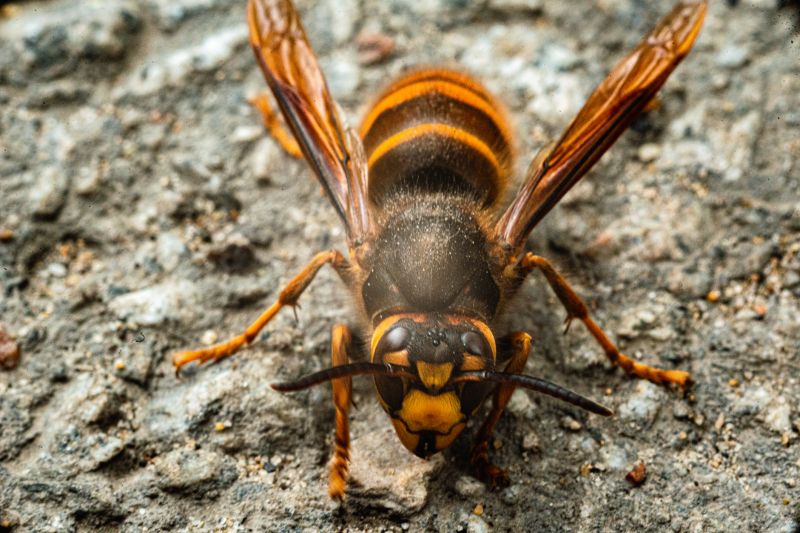
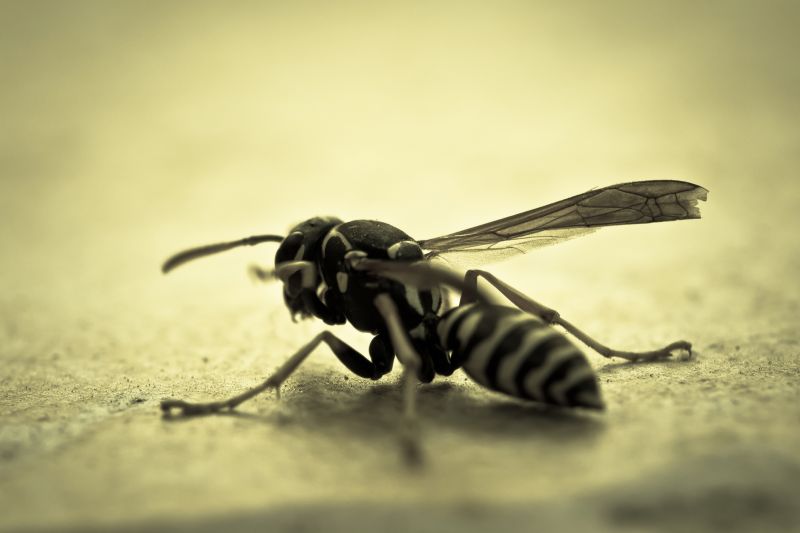
Property owners in the area often notice the presence of wasps, hornets, or yellow jackets during late summer and early fall, especially around outdoor gathering spaces, trash bins, or eaves of the house. Common signs include increased activity near nests, which may appear as papery or mud-like structures on buildings, trees, or ground-level burrows. Additionally, the sighting of wandering insects or persistent buzzing near entry points can indicate a nest nearby. Recognizing these signs early can help prevent stings and property damage, prompting many to seek the assistance of local contractors who specialize in wasp, hornet, and yellow jacket treatment services.
For those dealing with signs of a wasp, hornet, or yellow jacket problem, connecting with experienced local service providers can be an effective step toward removal and prevention. These professionals are equipped to identify nests safely and implement targeted treatments to eliminate the insects. Property owners often look for trusted local contractors to handle the removal process, especially when nests are in hard-to-reach areas or pose a safety concern. Taking prompt action with the help of local experts can help ensure outdoor spaces remain safe and comfortable throughout the season.
What are common signs of a wasp, hornet, or yellow jacket problem? Visible nests, especially in eaves, sheds, or trees, are key indicators. You might also notice increased insect activity around your property or frequent stinging incidents. Other signs include buzzing sounds near nests or swarms of insects during warmer months.
How can I tell if I have a nest on my property? Signs include a large, papery or mud-like structure attached to buildings, trees, or underground. You may also see wasps or hornets entering and exiting these nests regularly, especially in the late afternoon or early evening.
What should I do if I notice aggressive wasps or frequent stings? Such behavior often indicates a nearby nest. It’s advisable to avoid disturbing the area and contact local contractors who specialize in wasp, hornet, or yellow jacket treatment to safely remove the problem.
Are there specific times when signs of a problem are more noticeable? Increased activity and nest visibility are common during late spring through early fall. During these months, wasps, hornets, and yellow jackets are more active and more likely to establish colonies near homes and yards.
How do professionals handle wasp, hornet, or yellow jacket infestations? Service providers typically identify nests, assess the level of activity, and safely remove or treat the colonies to prevent further problems. They use specialized equipment and methods to ensure safety and effective control.
Identifying visible nests - spotting large, papery or enclosed nests on your property can indicate a wasp, hornet, or yellow jacket problem that local contractors can address.
Noticing increased insect activity - frequent buzzing around eaves, decks, or outdoor seating areas suggests the presence of aggressive stinging insects needing professional removal.
Observing stings or allergic reactions - experiencing unexpected stings or allergic responses may point to nearby nests that local service providers can safely eliminate.
Detecting buzzing sounds - hearing persistent buzzing near walls, attics, or under decks can be a sign of active nests requiring expert pest control services.
If you are thinking about signs you have a wasp, hornet, or yellow jacket problem for a property, this guide is meant to help you understand this topic, the typical project types, and how different options might fit your plans.
When you are ready, you can use the quote form on this page to share a few details about your project. From there, local pros can review the basics and follow up with options that match what you have in mind.